
In case you’ve missed it, the future is here. With it is the ability to buy nearly whatever we want, whenever we want it like never before. Colombian coffee delivered to our home in Iowa. Fresh strawberries in the dead of winter. Irish butter that, days ago, was just a twinkle in a dairy cow’s eye. The sheer variety and abundance of what we can purchase is astounding, and there’s no doubt the way we think about consuming today is very different than it was a hundred, fifty or even twenty years ago.
With almost on-demand access to a world of goods and services, it’s a good idea to be conscious about what we’re buying. Just because something’s available doesn’t mean we should buy it. Consumption involves ethical choices because it impacts a whole chain of people, from the origins of that chocolate bar or can of tuna to the time it arrives in your hands. How were the people who grew those cacao beans treated? Were the tuna caught in a huge net that didn’t discriminate if it also caught other kinds of sea creatures?
The reality is, the things we buy and sell have an impact on the environment, other people, and on us. Am I saying we need to fret about every single thing we buy and wear ourselves down worrying about its impact? Of course not! But is it a good idea to be informed about the choices we make and the ways we can make smarter ones? I’d say so.
If you’re interested in making more socially conscious buying decisions, here are a few ways you can think about your purchasing habits that can make a difference you can feel good about.
- Chocolate. Everyone loves the sweet stuff (myself included), but many big players in the chocolate industry have been involved in some not-so-sweet practices. Child labor and human trafficking aren’t uncommon among the places cacao is grown and harvested. However, the Fair Trade Certified seal can help you make more ethical choices. Read more about the designation and how it’s making a difference.
- Clothing. According to The Balance, the average American throws away 80 pounds of used clothing a year. Not only is this an expensive habit for us, it’s bad for the environment, as many of these items won’t be recycled but will go to landfills. And when we throw something away, no one else will be able to use it. Instead of throwing out old clothing, consider donating, reselling or up-cycling it. And instead of reaching for cheaper fast-fashion items, hold onto clothes for longer, and consider purchasing quality pieces that may be a little more expensive now but will hold up better in the long run.
- Seafood. There are plenty of reasons to carefully watch what seafood you buy – poor agricultural practices in farmed fish and indiscriminate catching, to name a few – but another one is the way people in the industry may be treated. The AP’s award-winning 2016 story on slavery in the seafood industry is a good place to learn more.
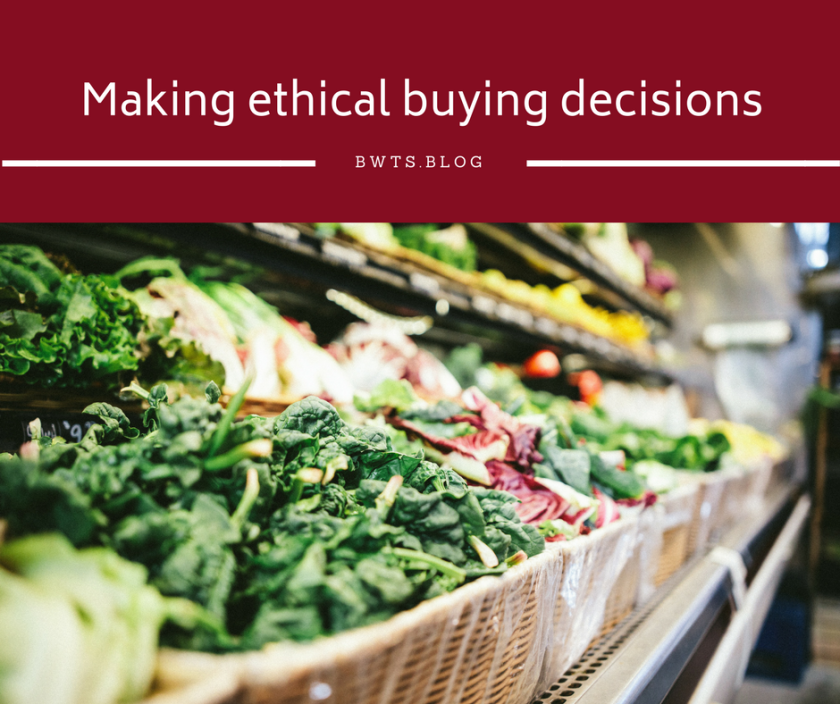
- Produce. It’s wonderful to be able to buy fresh produce whenever we want it, right? And it’s not like I never purchase apples in the summer or berries in the winter. But if you’re looking to save money, make better choices for the environment and get higher-quality fruits and veggies, buying what’s in season is the best option. Learn more about buying seasonally with the USDA’s guide.
Again, let me reiterate: Being a smart consumer doesn’t mean you need to worry about every purchase you make. It just means being informed of where your purchases came from and making choices that are in line with your own values and ethics.
What are ways you try to be a more informed consumer? Are there eco- or people-friendly products you enjoy? Share with me below – and thanks for reading!

 bloom.